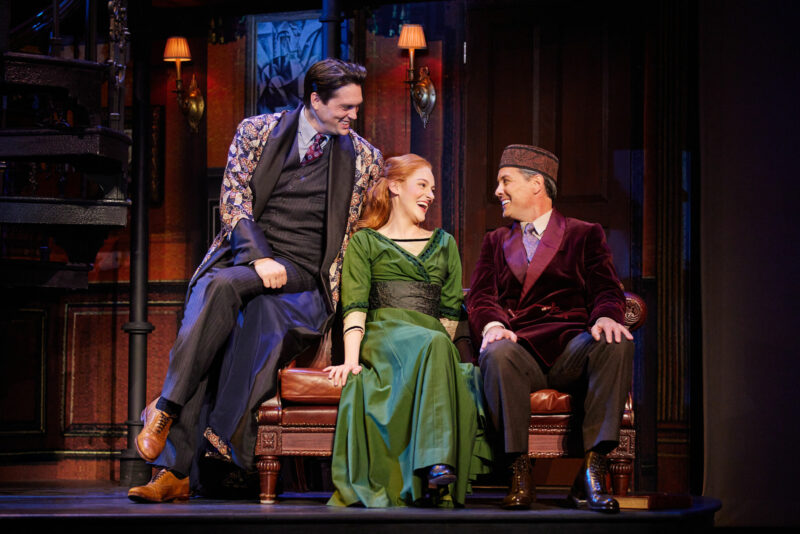
My Fair Lady's Ascot: The Ultimate Spectacle of Opening Day
Few scenes in musical theatre or cinema capture the essence of high society's peculiar blend of rigid formality and simmering excitement quite like the Ascot Opening Day sequence in *My Fair Lady*. More than just a backdrop for Eliza Doolittle's social debut, this segment is a masterclass in theatrical grandeur, sharp social commentary, and an unforgettable portrayal of collective anticipation. At its heart lies a uniquely choreographed spectacle – a distinctive
dance performed at Ascot in My Fair Lady – that perfectly embodies the breathless tension before a thrilling horse race.
This isn't just about silks and thundering hooves; it’s about the societal ritual, the unspoken rules, and the palpable shift from controlled elegance to unbridled frenzy. The scene, famously known for the "Ascot Gavotte," transcends a mere song and dance number, becoming a pivotal moment that defines the characters and the world they inhabit. It's an immersive experience for the audience, drawing them into a world where every glance, every gesture, and indeed, every choreographed step holds significant meaning.
The Grandeur of Ascot Opening Day: A Tapestry of High Society
From the moment the curtains rise or the scene unfolds on screen, Ascot Opening Day in *My Fair Lady* is presented as an unparalleled social event. "
Ev'ry duke and earl and peer is here; Ev'ryone who should be here is here," the lyrics declare, instantly establishing the exclusivity and importance of the gathering. This isn't merely a horse race; it's the annual congregation of Britain's most elite, a chance to see and be seen, to uphold tradition, and perhaps, to discreetly flaunt one's status.
The visual spectacle is immediate and overwhelming. Ladies in audacious, wide-brimmed hats adorned with flowers, feathers, and ribbons, their gowns meticulously fashioned. Gentlemen in morning coats and top hats, exuding an air of impeccable, albeit sometimes stifling, decorum. This is a world where appearances are paramount, and the slightest sartorial misstep could be scandalous. For Eliza Doolittle, recently transformed by Professor Higgins, it represents the ultimate test of her newly acquired refinement. Her presence amongst these paragons of high society highlights the dramatic contrast between her former life and her ambitious aspirations.
The atmosphere is charged with a quiet hum of expectation. Conversations are clipped, laughter is restrained, and movements are precise. It's a "
smashing, positively dashing spectacle" not just for its visual opulence, but for the underlying drama of social interaction. This controlled environment, however, serves as a mere prelude to the raw, animalistic energy that is about to be unleashed on the racetrack, a contrast that the central
dance performed at Ascot in My Fair Lady so brilliantly accentuates.
The Iconic "Dance Performed At Ascot In My Fair Lady": A Masterclass in Choreography and Tension
The true genius of the Ascot sequence lies in the "Ascot Gavotte," a uniquely stylized and highly memorable
dance performed at Ascot in My Fair Lady. It's not a traditional dance in the sense of waltzing or foxtrotting; rather, it's a meticulously choreographed display of synchronized movement that perfectly mirrors the internal state of the characters and the unique nature of the event. On the surface, the ensemble moves with an almost robotic, stiff formality. Their steps are precise, their postures rigid, their expressions fixed in an appropriate aristocratic neutrality. Yet, beneath this veneer of composure, there’s an escalating undercurrent of excitement that the choreography subtly reveals.
The choice of a 'gavotte' as the conceptual framework is particularly insightful. Historically, a gavotte is a French folk dance, later adapted for courtly balls, known for its formal, somewhat stately rhythm. In *My Fair Lady*, this formality is exaggerated to comedic and dramatic effect. The characters move in unison, their bodies often angled, their heads tilting in synchronized appraisal as the horses are led to the starting gate. Each subtle shift, each turn of the head, is part of a larger, unspoken communication – a collective expression of anticipation.
As the race approaches, the movements become sharper, quicker, more staccato, reflecting the accelerating heartbeats and "
pulses rushing! Faces flushing!" described in the lyrics. The ensemble shifts from static poses to quick, almost jerking motions, mirroring the coiled energy of the horses themselves. This tension is masterfully built through:
*
Synchronized Gestures: The collective gasp, the unified turn of heads, the stiff-armed gestures of pointing towards the track.
*
Rhythmic Pacing: The music, and consequently the movements, speed up incrementally, creating an almost unbearable build-up.
*
Visual Contrast: The stark black and white costumes, especially in the film version, emphasize the rigid control, making the eventual emotional outburst even more impactful.
This non-traditional "dance" brilliantly conveys how society attempts to contain its raw emotions, only for them to erupt when the moment of truth arrives. It's a profound theatrical choice that encapsulates the very essence of the Ascot experience.
From Anticipation to Frenzy: The Race Unleashed
The crescendo of the Ascot sequence is the race itself, a moment described with a powerful immediacy in the lyrics: "
And second now They'll begin to run. Hark! A bell is ringing, They are springing Forward Look! It has begun...!" The carefully maintained composure of the onlookers shatters in an instant. The formal stiffness of the Gavotte gives way to an exhilarating, almost primal release of emotion.
What follows is a depiction of pure, unadulterated excitement. The crowd erupts into a cacophony of shouts and gasps. The static, ordered movements are replaced by animated gestures, wild pointing, and expressions of shock, delight, or dismay. Eliza Doolittle's famous outburst, "
Move your bloomin' arse!" serves as the ultimate breaking point, a moment of profound comedic and dramatic irony where the carefully constructed illusion of her refinement cracks under the intense pressure of the race.
The scene perfectly captures the "
gripping, absolutely ripping moment" and the "
frenzied moment" of the race. The rapid-fire delivery of the lyrics and the frantic shifts in the characters' postures and expressions plunge the audience directly into the heart of the action. It's a testament to the power of theatre and film to evoke such a visceral reaction. The sheer speed and competitive spirit are highlighted, with characters noting the "
exhausting pace" and the "
thrilling, absolutely chilling running of the Ascot op'ning race." This transition from stifled elegance to uninhibited passion is what makes the Ascot sequence so dynamic and memorable, much like the races themselves can be. To truly appreciate the intensity of this shift, explore
Ascot's Opening Race: A Gripping, Chilling, Frenzied Thrill.
Beyond the Spectacle: What My Fair Lady Teaches Us About High Society Events
The Ascot scene in *My Fair Lady* is more than just a dazzling display; it's a poignant piece of social commentary that offers insights into the world of high society and human nature itself. It reveals the unspoken pressures and expectations placed upon individuals within these exclusive circles.
Here are some key takeaways and insights:
*
The Power of Appearance: The elaborate costumes and rigid etiquette underscore the importance of outward presentation. In such settings, how one looks and behaves can be more scrutinized than what one actually achieves.
*
Hidden Emotions: Despite the façade of composure, human emotions – anticipation, excitement, frustration, joy – bubble just beneath the surface, waiting for the right trigger to erupt. The
dance performed at Ascot in My Fair Lady is a masterful representation of this internal struggle.
*
The Allure of Spectacle: High society events like Ascot offer a unique blend of tradition, competition, and social theatre. People are drawn not just to the core event (the race), but to the entire experience surrounding it.
*
Social Mobility Challenges: Eliza's struggles, particularly her linguistic faux pas, highlight the immense difficulty of truly integrating into a different social class, even with intensive training. The veneer can be perfected, but genuine assimilation is a deeper challenge.
For anyone attending similar high-profile events today, lessons abound. While dress codes may have relaxed slightly from the Edwardian era, understanding the expected decorum, appreciating the traditions, and managing one's own excitement are still paramount. The scene serves as a timeless reminder that while one must outwardly conform, the internal human experience remains vibrantly unpredictable. The intricate choreography of the Ascot Gavotte beautifully illustrates the delicate balance between anticipation and eruption that defines such grand occasions, a theme further explored in
My Fair Lady's Ascot Gavotte: Anticipation and Race Day Drama.
Conclusion
The Ascot Opening Day sequence in *My Fair Lady* remains an enduring masterpiece, celebrated for its visual splendor, its clever wit, and its profound dramatic tension. The unique
dance performed at Ascot in My Fair Lady, often referred to as the Ascot Gavotte, is far more than just a musical interlude; it is the very heartbeat of the scene. It masterfully encapsulates the fascinating dichotomy between rigid social expectation and the raw, unbridled excitement that lies beneath, particularly when confronted with the thrill of competition. This iconic portrayal of a societal ritual turning into an emotional free-for-all continues to captivate audiences, proving that the ultimate spectacle lies not just on the track, but in the thrilling, chilling, and utterly human reactions it provokes.